Floral Halloween Pumpkin Design
A Designer’s First Glance: Charm with Quiet Confidence
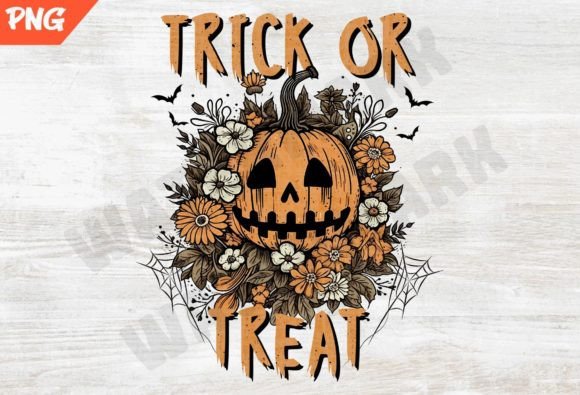
When I opened the Floral Halloween Pumpkin Design, what struck me wasn’t flash—it was balance. A round, friendly pumpkin sits center stage, softened by trailing florals—daisies, sprigs of greenery, maybe a tiny aster or two—not fussy, not overcrowded. It’s got that rare blend of seasonal spirit and gentle sophistication. No spooky scowls, no neon bats. Just warm autumn energy, embroidered-ready charm. This isn’t a design shouting for attention at a craft fair; it’s the one customers pause for on your Etsy shop banner, then click twice to add to cart.
Where It Lives Best: Real Projects, Real Reactions
I tested this as the hero motif on a natural canvas tote bag—sturdy, unbleached, slightly textured. Stitched cleanly in medium-density fill and satin stitch borders, the floral vines wrapped the pumpkin just right: legible at 4.5”, soft enough for baby embroidery on a gauzy onesie (with light stabilizer), and bold enough for sweatshirt embroidery without losing its delicate personality. As a tote bag design? Perfect. As a pillow cover for a cozy nursery? Yes—especially paired with neutral linen and mustard thread. As a custom apron for a local bakery’s Halloween pop-up? Absolutely. The design reads clearly from across a room but doesn’t overwhelm the garment’s shape or function.
It also shines in layered contexts: think embroidered patches sewn onto denim jackets, or small-scale versions stitched onto tea towels for holiday kitchen gifts. For Etsy sellers and small shop owners, this is low-risk, high-appeal inventory—timeless enough for October through early November, yet distinctive enough to stand out next to generic “TRICK OR TREAT” lettering.
Where to Pause—and Plan Ahead
This isn’t a one-size-fits-all machine embroidery design. Its grace depends on thoughtful execution. On dark fabric, test thread colors first—light gold or cream satin stitch on charcoal cotton reads beautifully, but pale yellow can disappear without contrast stitching or underlay. On thin or stretchy fabric (like lightweight knits for baby embroidery), skip dense fill areas near petal tips unless you’ve added tear-away + cutaway stabilizer combo. And avoid cramming it into hoops smaller than 4” — those floral tendrils need breathing room to resolve cleanly.
Curved surfaces like caps or structured hats? Possible—but only if you reduce scale slightly and simplify outer vine ends. Tiny lettering isn’t present here (a plus), but the tight curves where stem meets pumpkin base demand steady hooping and minimal fabric shift. Wash durability? Solid—if stitch density stays moderate and thread tension is calibrated. Overly dense fills risk puckering on frequent-wash items like kitchen towels or kids’ apparel.
What This Design Says About Your Finished Product
Used well, the Floral Halloween Pumpkin Design elevates perceived value. It feels handmade—not mass-printed. Customers notice the intentional spacing between petals, the subtle variation in leaf size, the way the pumpkin’s curve supports the floral flow. That translates to trust: they believe you chose thoughtfully, stitched carefully, and care about presentation. For boutique branding or personalized gifts, that nuance builds loyalty faster than any discount code.
It also supports brand consistency. Whether you’re selling embroidered patches, custom apparel, or printable mockups for digital product previews, this design fits a cohesive aesthetic—whimsical but grounded, festive but refined. It won’t clash with your other autumn designs, nor will it dilute your shop’s voice. And because it avoids cliché, it stands out in search results for terms like “cute Halloween embroidery” or “floral pumpkin patch”—without sounding like keyword bait.
Practical Notes Every Embroidery Designer Should Check
- Always test on scrap fabric first—especially with textured or dark substrates. What looks crisp on screen may soften or blur in thread.
- Review stitch density before scaling up. If your machine struggles with dense fills, consider simplifying outer florals manually—or using a lighter fill stitch variation.
- Confirm hoop size compatibility. This design works best in standard 4x4 or larger hoops. Don’t force it into tight spaces without adjusting layout.
- Inspect small details at actual stitch-out size: stem texture, petal separation, and vine taper all impact clarity.
- Test black-and-white mockups—not just color. High-contrast rendering matters for logo-style recognition on merchandise.
- Compare light vs. dark fabric backgrounds in your design software before sending to stitch. Some floral elements gain or lose definition depending on substrate tone.
- Use proper stabilizer: medium-weight cutaway for stable fabrics, hybrid for knits, tear-away for tightly woven cottons like tea towels.
- Verify licensing before selling finished products or reselling the digital embroidery file. Since this is listed as a Graphics file for T-Shirt Designs, confirm whether commercial use is permitted for physical goods like embroidered patches or custom apparel.
Final Thought: A Design That Works—Not Just Decorates
The Floral Halloween Pumpkin Design earns its place in my seasonal rotation because it serves a purpose beyond decoration. It invites connection—a grandmother choosing it for her granddaughter’s Halloween dress, a café owner embroidering it onto staff aprons, an Etsy seller bundling it with matching printable tags and gift wrap. It’s versatile without being vague, detailed without being fussy, and seasonal without feeling dated by November 2nd. For craft business owners and embroidery designers alike, that’s not just convenience—it’s confidence in every stitch.