Green Floral Garden
A Designer’s First Look: Fresh, Friendly, and Ready for Real Fabric
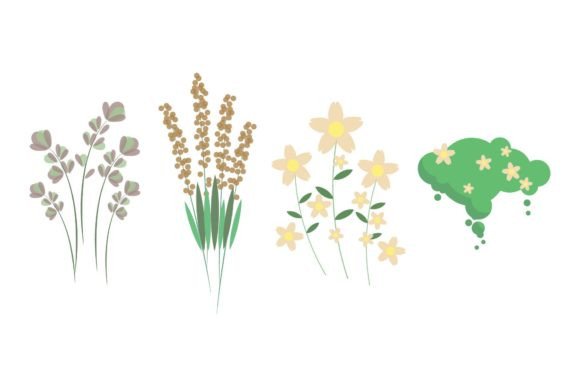
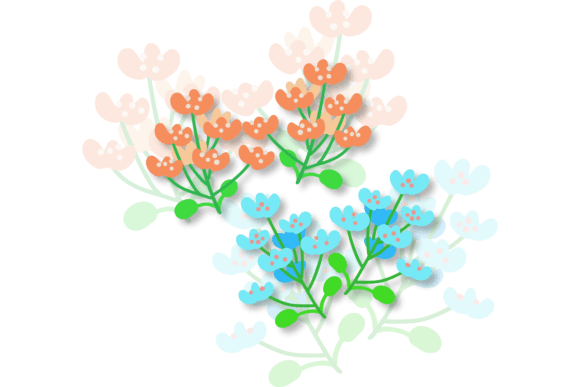
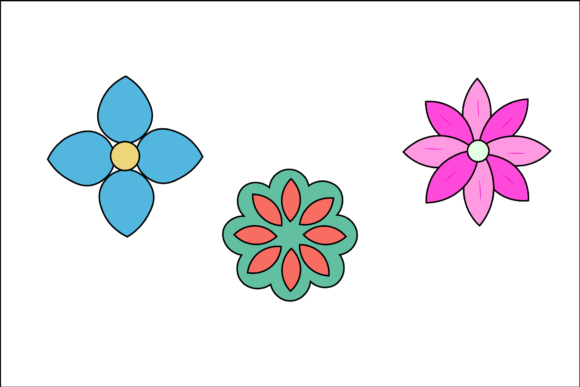
When I opened Green Floral Garden for the first time, I didn’t see just another plant icon—I saw a quiet invitation to stitch something warm and intentional. It’s not overly ornate or fussy; the layout breathes with gentle asymmetry, soft curves, and layered leaf forms that suggest growth without clutter. The central motif feels grounded—like a small potted herb or a sprig of mint tucked into a kitchen towel—not a botanical illustration, but a friendly, hand-tended gesture. That mood matters: it lands well on baby onesies, linen aprons, and unisex tote bags where customers respond to sincerity over spectacle.
How It Translates Off-Screen and Onto Fabric
I tested Green Floral Garden as part of a custom embroidered tote bag order for a local herbalist’s pop-up shop. She wanted something subtle but recognizable—no logos, no text—just a quiet emblem of care and craft. The design scaled cleanly down to 3.5 inches wide, held detail in satin-stitched stems and soft fill-stitched leaves, and didn’t bleed or blur on medium-weight canvas. It stitched cleanly on both cotton twill and textured linen blends, especially when paired with a light tear-away stabilizer. On sweatshirt fleece? Slightly softer edges—but still legible and charming, especially in muted sage or charcoal thread.
Where it shines brightest: baby embroidery (on organic cotton burp cloths and swaddle sets), tea towels for boutique kitchens, pillow covers for nursery decor, and minimalist caps for slow-living brands. Its scale and rhythm make it ideal for single-placement embroidery—centered on a chest, above a pocket, or nestled into a corner seam. It doesn’t demand attention; it earns it through consistency and calm.
Where to Pause—and Plan Ahead
Green Floral Garden isn’t built for micro-embroidery. If you’re stitching on a curved cap front or a tiny wristband, test the smallest version first: some inner leaf veins may collapse below 2.25 inches unless simplified manually. On stretchy fabric like ribbed knit tees, use cut-away stabilizer and reduce stitch density slightly—the design’s gentle curves can pull if tension isn’t balanced. On dark fabric, avoid light pastel threads unless you’re adding underlay; the subtlety of the layers needs contrast to read clearly.
Also note: while the PNG and JPG files are handy for mockups or digital previews, they’re not machine embroidery files. For actual stitching, you’ll need to digitize the vector versions (AI, EPS, SVG) or work with a digitizer—especially if you plan to add applique elements, running-stitch outlines, or custom color stops. The 1920 × 1280 px canvas gives plenty of room to scale up for large-format pillow backs or wall hangings, but don’t assume automatic compatibility with your embroidery machine’s hoop size. Always confirm dimensions against your largest hoop before digitizing.
Real-World Fit for Your Craft Business
As an Etsy seller myself, I’ve watched how designs like Green Floral Garden influence buyer trust. It reads as handmade—not mass-produced—because its imperfections feel intentional: slight variation in leaf weight, open negative space, organic spacing. That translates directly to perceived value. Customers pay more for items that feel *chosen*, not slapped on. A sweatshirt with this design feels like a curated gift, not generic merch.
For small shop owners building cohesive branding, Green Floral Garden works beautifully across product categories: same icon, different context—embroidered on a denim apron, heat-applied as a patch on a canvas bag, or printed softly on a thank-you card. It supports brand consistency without feeling repetitive. And because it’s delivered in multiple formats—including editable vectors—it’s easy to adapt for seasonal variations (add a tiny snowflake in winter, swap in golden thread for fall).
Practical Notes Every Embroidery Designer Should Keep Handy
- Always test on scrap fabric first—especially with textured or loosely woven materials. What looks clean on screen may feather or sink on burlap or terry cloth.
- Check thread color contrast in natural light. This design relies on tonal layering—so a medium green on olive fabric may disappear unless you adjust stitch density or add outline stitches.
- Review stitch density before finalizing. Dense fill areas near stems can cause puckering on lightweight cotton—consider switching some fills to tatami or lowering density by 10–15%.
- Confirm licensing terms before selling finished products or bundling the file digitally. Since it’s labeled as a Graphics asset, clarify whether commercial embroidery rights are included—or if you need extended permission for resale.
- Use black-and-white mockups to assess clarity. If the shape holds up in monochrome, it’ll hold up on dark fabric, in low-light gifting boxes, and in customer photos taken on phones.
- Match stabilizer to fabric—not just weight, but behavior. For baby items, go with wash-away + light tear-away. For structured patches, add a fusible backing after stitching.
Final Thought: Not Just a Design—A Quiet Signature
Green Floral Garden won’t shout from a crowded craft fair table. But it will catch the eye of the customer who pauses, touches the fabric, and says, “This feels like it was made for me.” That’s the quiet power of thoughtful icon design: it builds connection before a single word is read. Whether you’re embroidering a holiday gift for a new parent, launching a line of botanical-themed kitchen goods, or building a signature look for your Etsy shop, this design earns its place—not because it’s flashy, but because it’s faithful to the material, the maker, and the moment.
If you treat it with intention—testing, adapting, and respecting its gentle rhythm—it becomes more than a plant icon. It becomes part of your voice.