Floral Tile: A Designer’s Real-World Embroidery Review
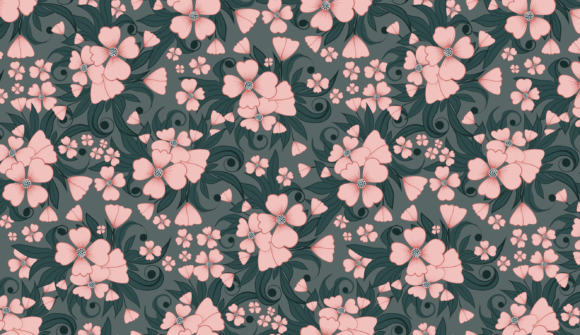
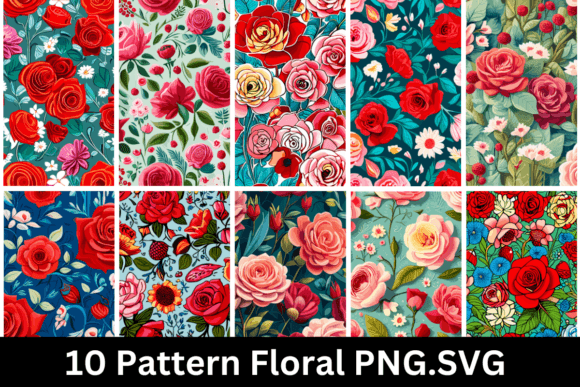
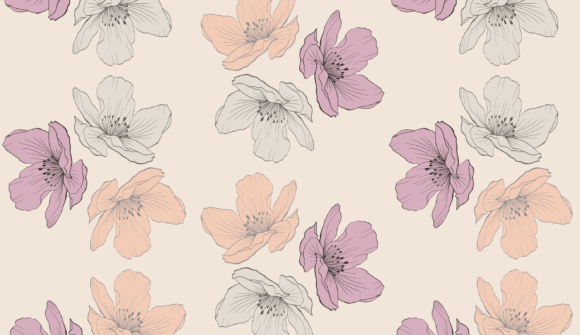
As someone who’s stitched hundreds of custom pieces—from boutique aprons to baby onesies and Etsy bestsellers—I opened Floral Tile expecting charm, not complexity. What I found was a quietly confident collection: 10 floral tile patterns, each built around soft botanical motifs on a consistent pink background. Not fussy. Not overly stylized. Just thoughtful, repeatable, and genuinely versatile.
I tested one pattern first on a linen-cotton tea towel—intended for a local café’s holiday gift set. The moment I laid it out in my embroidery software, I noticed how the spacing between blossoms gave breathing room for stitch definition. No overcrowding. No tiny stems that’d vanish under satin stitch. That’s rare in tile-based designs, where repetition often sacrifices clarity. Floral Tile avoids that trap. Each motif holds its shape whether stitched at 3” or scaled to 6”. That flexibility matters—whether you’re embroidering a petite cap front or a full pillow cover.
Where Floral Tile Shines (and Where It Asks for Thought)
Floral Tile feels made for tactile, human-scale products—not just digital previews. It works beautifully on:
- Tote bags and aprons: The balanced fill areas translate cleanly into smooth satin and gentle fill stitches; no thread nesting or puckering on medium-weight canvas.
- Baby items and nursery decor: Soft petals and rounded leaves read as gentle, not busy—ideal for onesies, burp cloths, or framed wall hangings meant to soothe, not shout.
- Holiday and wedding gifts: That consistent pink background? It’s not just decorative—it’s a built-in color anchor. Pair it with ivory thread on oatmeal linen, or deep sage on charcoal cotton, and it reads intentional, not accidental.
- Etsy listings and small shop merchandise: Because all 10 patterns share visual DNA—same line weight, same floral language—they support cohesive branding across multiple SKUs without needing custom design work.
But—and this is where real project experience kicks in—Floral Tile isn’t a “drop-in-and-stitch” solution for every surface. It asks for attention in specific scenarios:
- Stretchy fabrics (like jersey or ribbed knits): The open negative space between flowers means stabilizer choice is non-negotiable. Skip tear-away and go hybrid—cutaway + light topping—to keep those delicate petal edges crisp.
- Dark or textured fabrics: That pink background is part of the graphic, not just a placeholder. If stitching on black denim or burlap, treat it as an applique design: digitize or trace the outlines, then use a fabric or felt base before stitching the floral elements over top.
- Curved surfaces like caps or curved pillow seams: One pattern’s corner detail—a looping vine with a single bud—looked elegant flat but compressed oddly when hooped on a curved crown. Test that specific motif first, especially if using it near a seam or edge.
- Frequent-wash items (kitchen towels, kids’ clothes): The moderate stitch density holds up well—but avoid ultra-fine threads. Use 40-weight rayon or polyester for durability without sacrificing sheen.
What Your Customers Will Actually See—and Feel
This is where Floral Tile earns its keep beyond aesthetics. When stitched, it reads as *handmade*, not mass-produced. Why? Because the floral arrangements avoid rigid symmetry. Petals tilt. Vines curve with subtle variation. Even though it’s a tile pattern, it doesn’t scream “repetition.” That nuance builds trust—especially for Etsy buyers scrolling past dozens of floral listings. They pause because it feels considered, not templated.
I used one pattern as a border on a personalized sweatshirt for a craft fair pop-up. Three customers asked, “Did you draw that yourself?” That’s the gold standard: when your machine embroidery design feels like illustration, not automation. It elevates perceived value—no price hike needed.
For small business owners, that translates directly: better photo mockups, stronger social proof, and smoother upsells. Pair a Floral Tile-embroidered pillow cover with matching kitchen towels in your shop, and the cohesion feels intentional—not like you grabbed random graphics off a marketplace.
Practical Designer Notes Before You Stitch
Before committing to a client order or bulk production, here’s what I do—and recommend you do—with Floral Tile:
- Test on scrap fabric first, using your exact thread, stabilizer, and machine tension. That pink background may need slight opacity adjustment if converting to an embroidery file with underlay.
- Check thread color contrast—especially for small details. A pale yellow petal against light pink can disappear unless you boost stitch density slightly or choose a contrasting thread.
- Review stitch density in your embroidery software. Some motifs have tighter clusters; reduce density by 5–10% on lightweight fabrics to prevent stiffness.
- Confirm hoop size compatibility. While the patterns scale well, the largest versions may exceed standard 5x7 hoops—verify before digitizing for commercial embroidery.
- Inspect corners and curves manually. Zoom in on SVG or EPS files—look for anchor points that might create jagged lines when stitched at smaller sizes.
- Test black-and-white mockups. If offering monochrome options for minimalist branding, ensure key shapes remain legible without color cues.
- Compare light vs. dark fabric backgrounds in printable mockups. The pink base helps with alignment—but won’t print on dark fabric unless pre-printed or appliquéd.
- Use proper stabilizer—especially for high-detail areas. Medium-weight cutaway works for most applications; add water-soluble topping for shiny threads on textured weaves.
- Confirm licensing terms before selling finished embroidered goods or bundling the files digitally. Since Floral Tile is delivered as Patterns and Graphics, verify whether commercial use is included—this affects Etsy sellers and craft businesses directly.
In short: Floral Tile isn’t flashy—but it’s reliable, adaptable, and quietly sophisticated. It supports your voice as a designer instead of competing with it. Whether you’re stitching a single personalized gift or building a cohesive line of handmade products, it gives you room to execute well, not just decorate quickly.
That’s the mark of good design assets: they don’t demand attention. They earn it—stitch by careful stitch.